You started your business to close deals, not to scrape email addresses from LinkedIn.
Yet here you are. You spend hours digging for contact info, verifying emails, and sending cold DMs. Your actual sales calls happen sporadically. You are stuck in the “feast or famine” cycle.
This is the bottleneck that kills growth.
Hiring a virtual assistant for lead generation is the fastest way to break this cycle. It allows you to separate the prospecting from the selling.
This isn’t just about saving time. It is about building a machine that puts qualified leads on your calendar while you sleep. Here is how to build that machine.

Why Your Pipeline Is Broken (And Expensive)
Most founders try to be their own Sales Development Representative (SDR).
This is a math problem that doesn’t work. If your hourly value is $100 or $500, spending an hour finding email addresses is a massive loss.
In 2026, if you are constantly overwhelmed by manual tasks, you should assess your founder burnout risk before it impacts your health.
Traditional hiring is also risky. The average salary for a US-based SDR is over $50,000 a year plus commissions and benefits. For a small business or startup, relying on strategic startup staffing using VAs preserves runway while driving growth.
A virtual assistant for lead generation solves this equation. You get a dedicated professional to handle the top-of-funnel grunt work for a fraction of the cost.
What Does a Lead Gen VA Actually Do?
Many business owners worry that a VA won’t understand their market. They fear the quality of leads will drop.
That only happens if you treat them like a generalist admin. A specialized lead generation VA focuses on three core areas.
1. Prospecting and Data Scraping
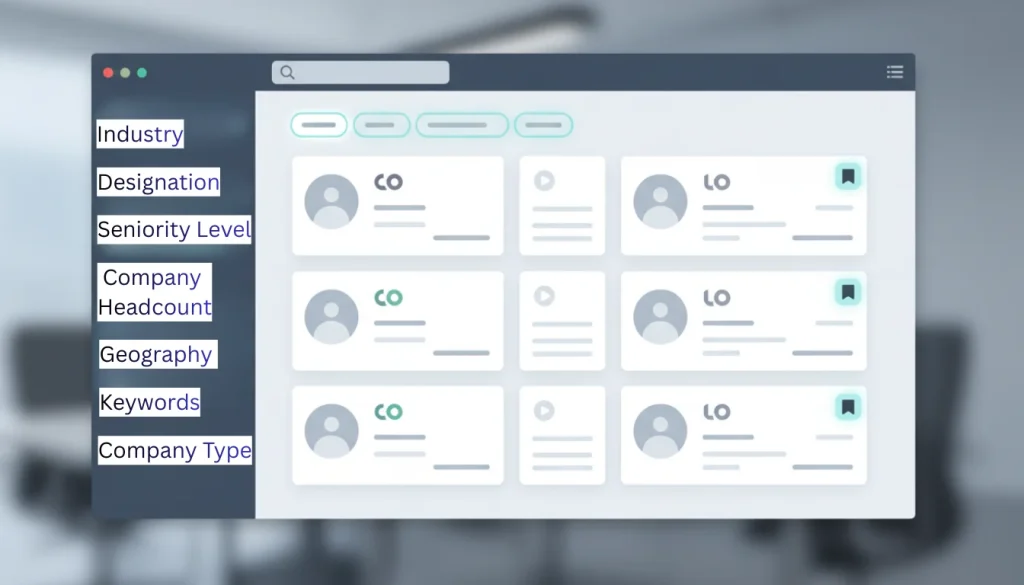
This is the foundation. Your VA builds lists of potential clients based on your Ideal Customer Profile (ICP).
- LinkedIn Scraping: Finding decision-makers in specific industries.
- Data Enrichment: Using tools to find verified email addresses and phone numbers.
- CRM Entry: Cleaning up your HubSpot or Salesforce data so your sales team has accurate info.
2. Cold Outreach and Warming
Once the list is ready, the VA initiates contact. They don’t just spam people. They follow your scripts.
- Email Campaigns: Sending personalized cold emails and managing follow-ups.
- Social Selling: Sending connection requests and initial messages on LinkedIn.
- Appointment Setting: Booking times on your calendar for qualified prospects. (Check out the image below)
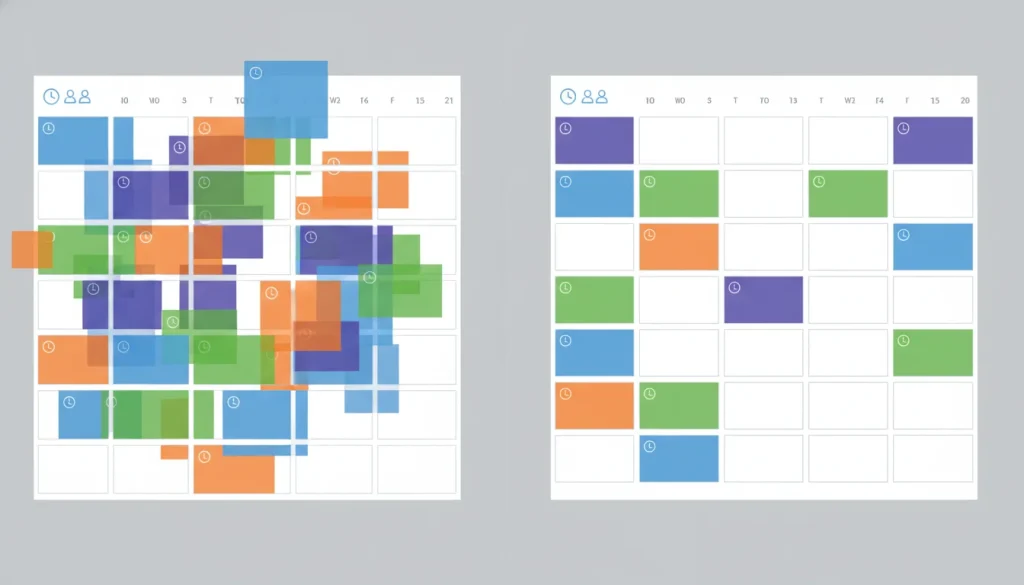
When you delegate email management to a pro, your campaigns run on autopilot while you sleep.
3. The New Standard: AI-Augmented Outreach
This is where most businesses fall behind. A modern virtual assistant for lead generation should use AI tools to work faster.
- Personalization at Scale: Using ChatGPT to draft unique first lines based on a prospect’s recent LinkedIn posts.
- Lead Scoring: Using AI tools to analyze which leads are most likely to buy before you ever talk to them.
Niche-Specific Strategies
A generic approach produces generic results. You need to assign tasks based on your industry.
For Real Estate Investors and Agents
Your VA should focus on volume and local data.
- Scraping FSBO (For Sale By Owner) listings.
- Skip-tracing property owners to find phone numbers.
- Managing SMS campaigns to text potential sellers.
For SaaS and B2B Agencies
The focus here is on precision and “Account-Based Marketing.”
- Identifying companies that use competitor software.
- Engaging with decision-makers in LinkedIn comments.
- Drafting Loom videos for you to record.
The ROI: Why It Makes Financial Sense
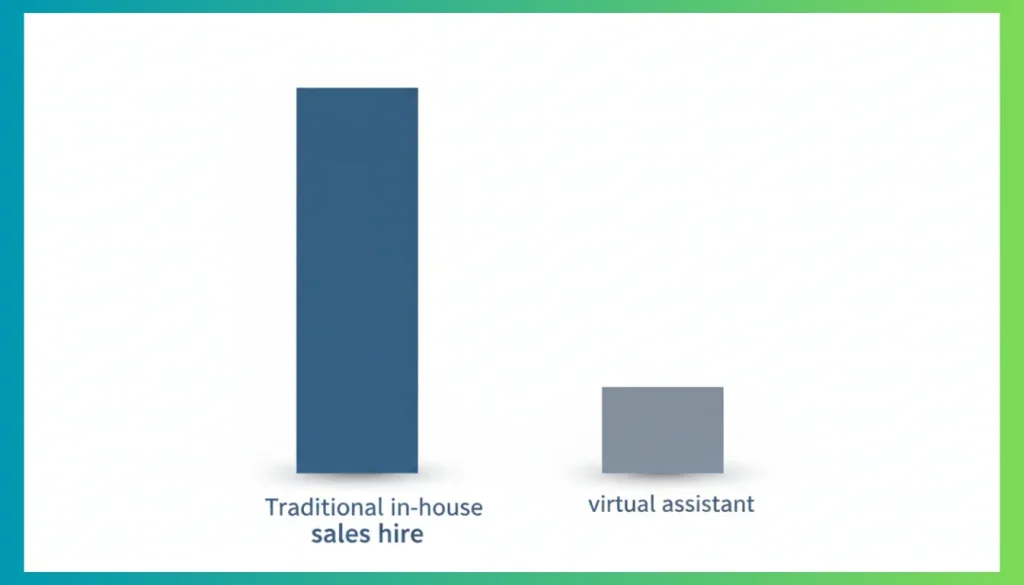
Let’s look at the math.
If you hire a local Junior Sales Representative in the US, you can expect a base salary of $40,000 to $60,000 annually; in the UK, it’s £25,000 to £35,000, plus commissions, benefits, employer taxes, and equipment costs.
Understanding the cost difference between US and offshore VAs is key to maximizing your marketing budget.
A virtual assistant for lead generation usually costs between $10 and $25 per hour depending on their skill level.
The Comparison:
- In-House Rep: $5,000+ per month (fixed cost).
- Virtual Assistant: $1,600 to $3,200 per month (flexible cost).
If that VA books just two extra qualified meetings a week, the service pays for itself almost immediately. You get the output of a full-time employee for a fraction of the price.
How to Hire the Right Candidate
Don’t just post a job ad saying “Wanted: Lead Gen VA.” You will get thousands of unqualified applicants. You need to test for specific skills.
The Filter Test: In your job posting, ask applicants to find the email address of a specific CEO and include it in their cover letter. If they can’t do this, delete the application.
The English Nuance Test: Lead generation requires excellent communication. If they are sending emails on your behalf, the grammar must be perfect. Ask for a voice note or a video introduction to check their spoken English if phone tasks are involved.
The “First 30 Days” Onboarding Checklist
Most people fail because they hire a VA and say, “Go get me leads.”
That doesn’t work. You need a ramp-up period. Here is a schedule to ensure success.
Week 1: Access and Setup
- Set up email accounts (G-Suite alias).
- Grant access to CRM and tools (Sales Navigator, Hunter.io).
- Review the Ideal Customer Profile (ICP) document.
Week 2: Shadowing and training
- VA watches you perform the prospecting process.
- VA practices building a list of 50 leads.
- You review the list for accuracy.
Week 3: Slow Launch
- VA sends 10-20 emails per day.
- VA manages the inbox under supervision.
- Daily feedback calls to correct tone or targeting.
Week 4: Maximum Drive Phase
- Increase volume to targets (e.g., 50 calls or 100 emails daily).
- Switch to weekly reporting instead of daily.
How to Train Your VA (The Missing Blueprint)

This is where most business owners fail. They hire a VA, hand them a login, and hope for the best. That does not work.
You must build a system. Here is a simple 3-step training process to ensure success.
Step 1: The “Watch Me” Phase
Do not write a 50-page manual. Nobody reads those. Instead, use a tool like Loom to record your screen while you do the work yourself.
- Record yourself searching for a lead.
- Talk through your thought process (e.g., “I am skipping this guy because his company size is too small”).
- Record yourself writing an email.
Send these videos to your VA. This gives them a visual standard to match.
Step 2: The “Shadow” Phase
Have your virtual assistant perform the task while you watch or review their work before it goes live.
- Ask them to build a list of 10 leads.
- Review the list.
- Correct any mistakes immediately.
Step 3: The SOP (Standard Operating Procedure)
Once they understand the task, ask them to write the SOP. This forces them to internalize the process. If they can explain it back to you in a Google Doc, they understand it.
Quality Control: The SOPs You Need
Quantity means nothing without quality. You do not want a calendar full of people who have no money or no authority to buy.
Implement the BANT Framework for your VA to qualify leads.

- Budget: Can they afford us? (Check company size/revenue).
- Authority: Is this the CEO or an intern? (Check job title).
- Need: Do they have the problem we solve? (Check their website/tech stack).
- Timing: Are they hiring for roles that indicate growth?
Create a Standard Operating Procedure (SOP) document. Include screenshots of what a “Good Lead” looks like versus a “Bad Lead.” If the VA books a bad call, record a quick video explaining why it wasn’t a fit. This feedback loop is vital.
Tools Your VA Needs to Succeed
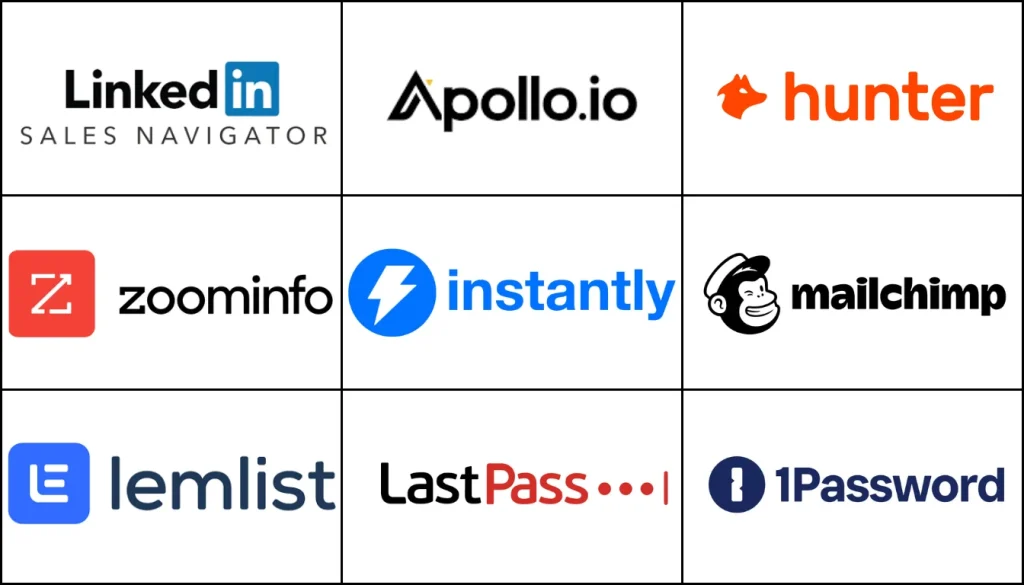
You cannot expect a carpenter to build a house without a hammer. You cannot expect a VA to generate leads without software. Your virtual assistant for lead generation is only as good as their tools. Don’t make them work manually.
Give them access to these essentials:
- LinkedIn Sales Navigator: The gold standard for B2B prospecting.
- Email Finders: Tools like Apollo, Hunter.io, or ZoomInfo to get verified contact details.
- Outreach Tools: Software like Lemlist, Mailshake, or Instantly to automate email sequences.
- Password Management: LastPass or 1Password. Never send passwords via chat.
The Elephant in the Room: Data Privacy and Compliance

When you hand customer data to a remote worker, you need to be careful. This is a massive gap in most advice articles.
If you are in the EU (GDPR) or California (CCPA), you are liable for how that data is handled.
How to stay safe:
- Use a VPN: Require your VA to use a Virtual Private Network so their connection is secure.
- No Local Downloads: Configure your Google Drive or Dropbox to prevent files from being downloaded to their personal computer. They should work strictly in the cloud.
- Non-Disclosure Agreements (NDA): Always have a signed NDA before work begins. Platforms like HireVA often handle this vetting for you.
Quality Control: How to Measure Success
Do not measure your virtual assistant by “hours worked.” Measure them by results.
Create a weekly scorecard with these metrics:
- Leads Added: How many new prospects entered the system?
- Accuracy Rate: What percentage of emails bounced? (Target should be under 5%).
- Response Rate: Are their messages getting replies?
- Appointments Set: The ultimate metric.
Review this scorecard every Monday. If the numbers dip, review the training. If the numbers go up, consider a bonus structure to keep them motivated.
Ready to Fill Your Pipeline?
Hiring a virtual assistant for lead generation is not just about saving money. It is about saving your focus. The cost of inaction is high. Every day you spend scrubbing data is a day you aren’t closing deals.
You should be building partnerships, growing your vision, and closing deals. You should not be copying and pasting email addresses into a spreadsheet.
At HireVA, we connect you with pre-vetted professionals who understand the sales process. They are ready to jump in and start building your list from day one.
Stop chasing leads. Let us help you build a team that brings them to you.
Frequently Asked Questions
Absolutely. In fact, lead generation is one of the best tasks to outsource. It is high-volume, repetitive, and rule-based. This makes it perfect for a VA. It frees you up to focus on the high-value tasks like closing deals and strategy.
Rates vary based on experience and location. Generally, you can expect to pay between $10 and $25 per hour for a skilled lead gen VA. This is significantly lower than the cost of a full-time, US-based employee.
Yes, many VAs specialize in cold calling. However, you must vet them specifically for spoken English proficiency and confidence. Some VAs are great at data research (introverts), while others excel at cold calling (extroverts). Make sure you specify that you need voice support in your description.
Trust is built through systems. Use password managers so they don't see your login credentials. Use contracts and NDAs to protect your legal interests. Finally, start with a small batch of leads to test their quality before giving them access to your full database.
It usually takes 2 to 4 weeks to ramp up. The first two weeks involve training and list building. By week four, you should start seeing qualified leads entering your pipeline or appointments appearing on your calendar.
Always hire a specialist for lead generation. A general VA might be great at scheduling, but lead generation requires understanding sales psychology, complex tools, and data research techniques.